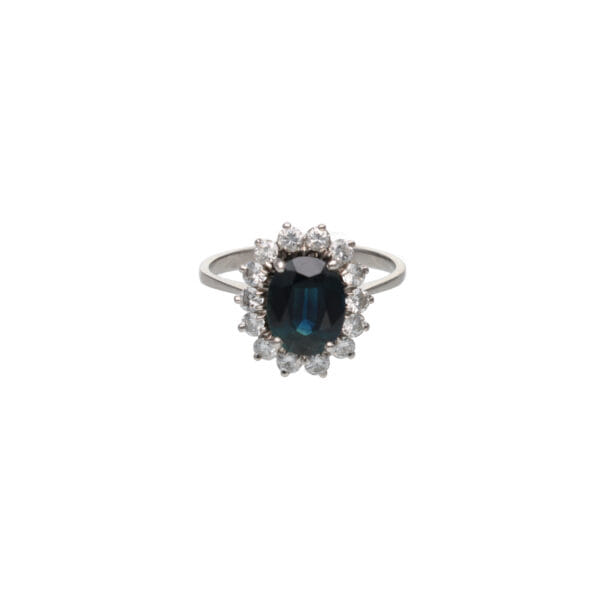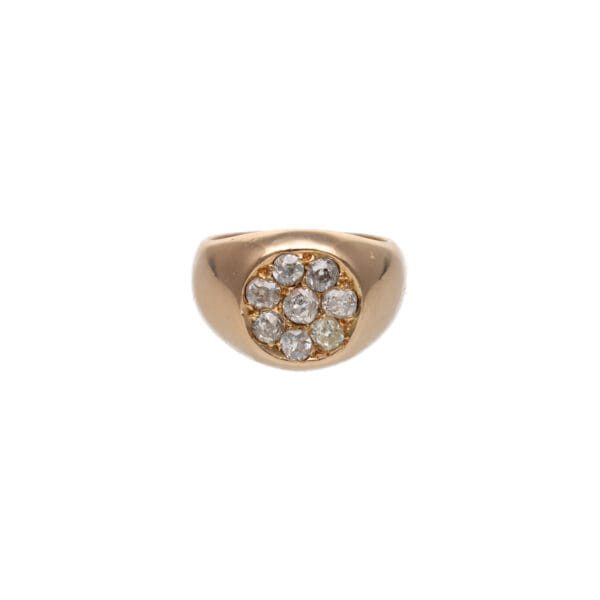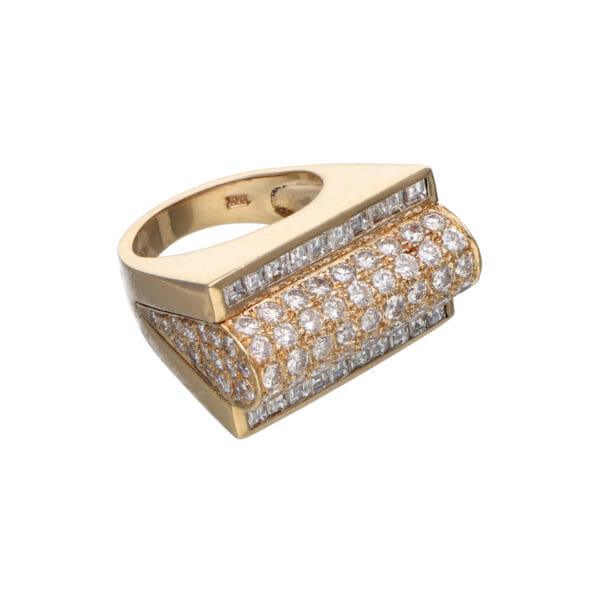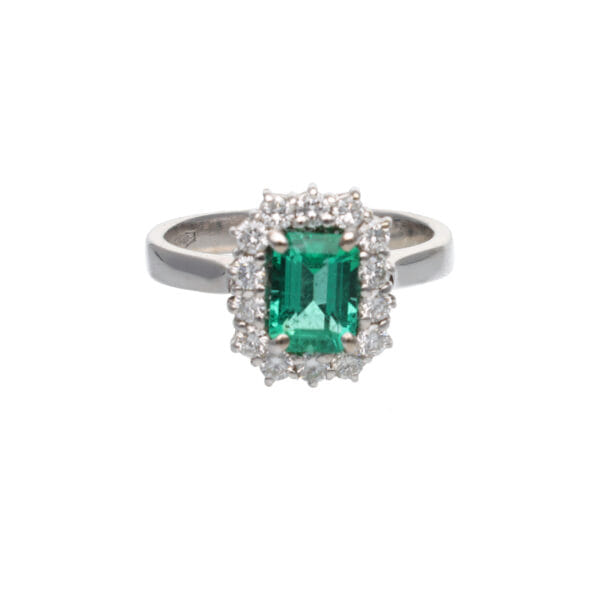
Born in secrecy, reborn in style — the jewel that celebrated women’s freedom.
A Jewel with a Story
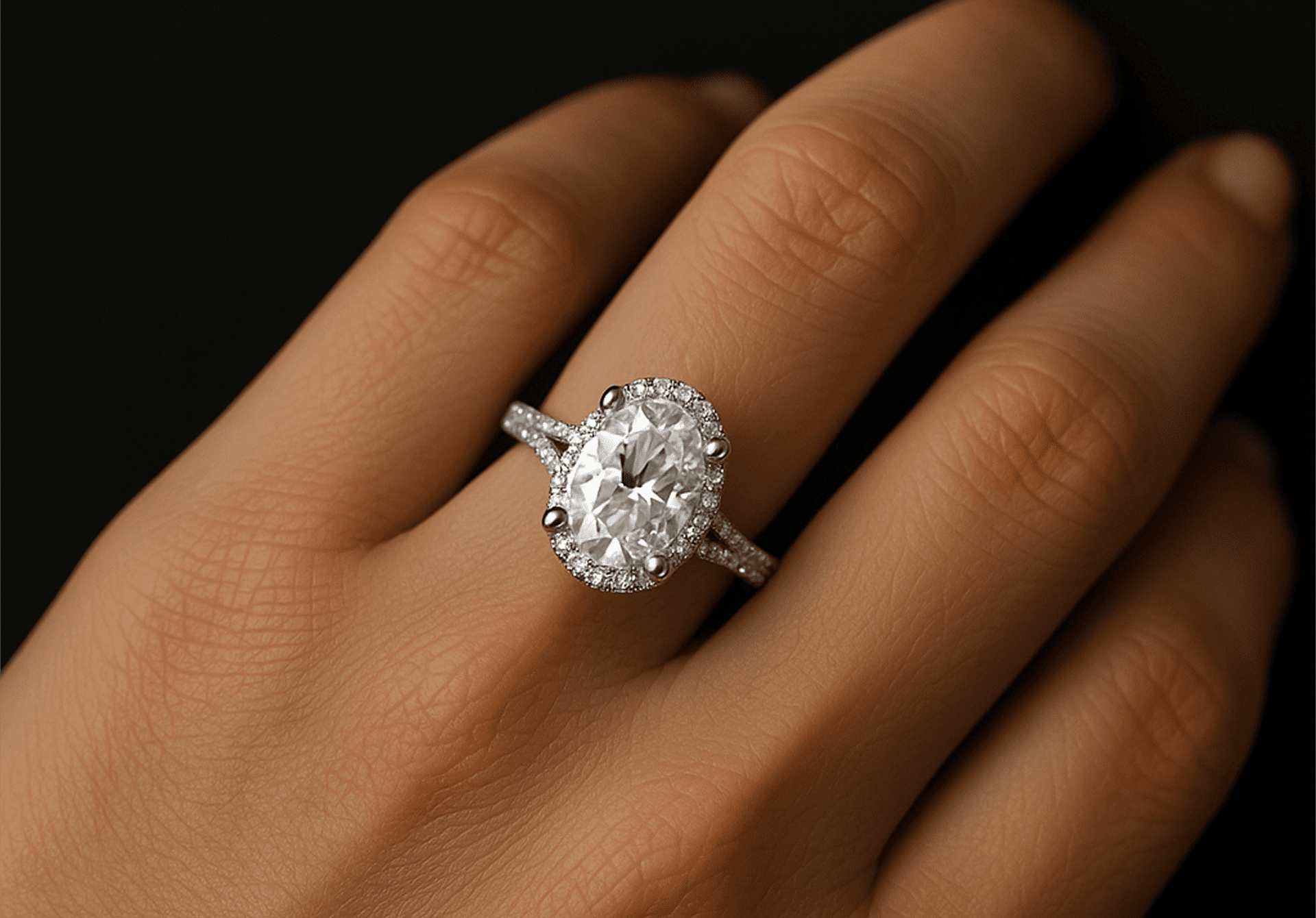
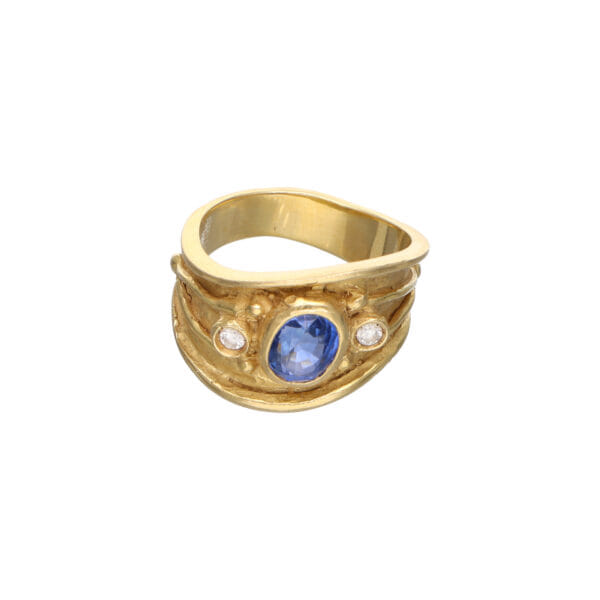
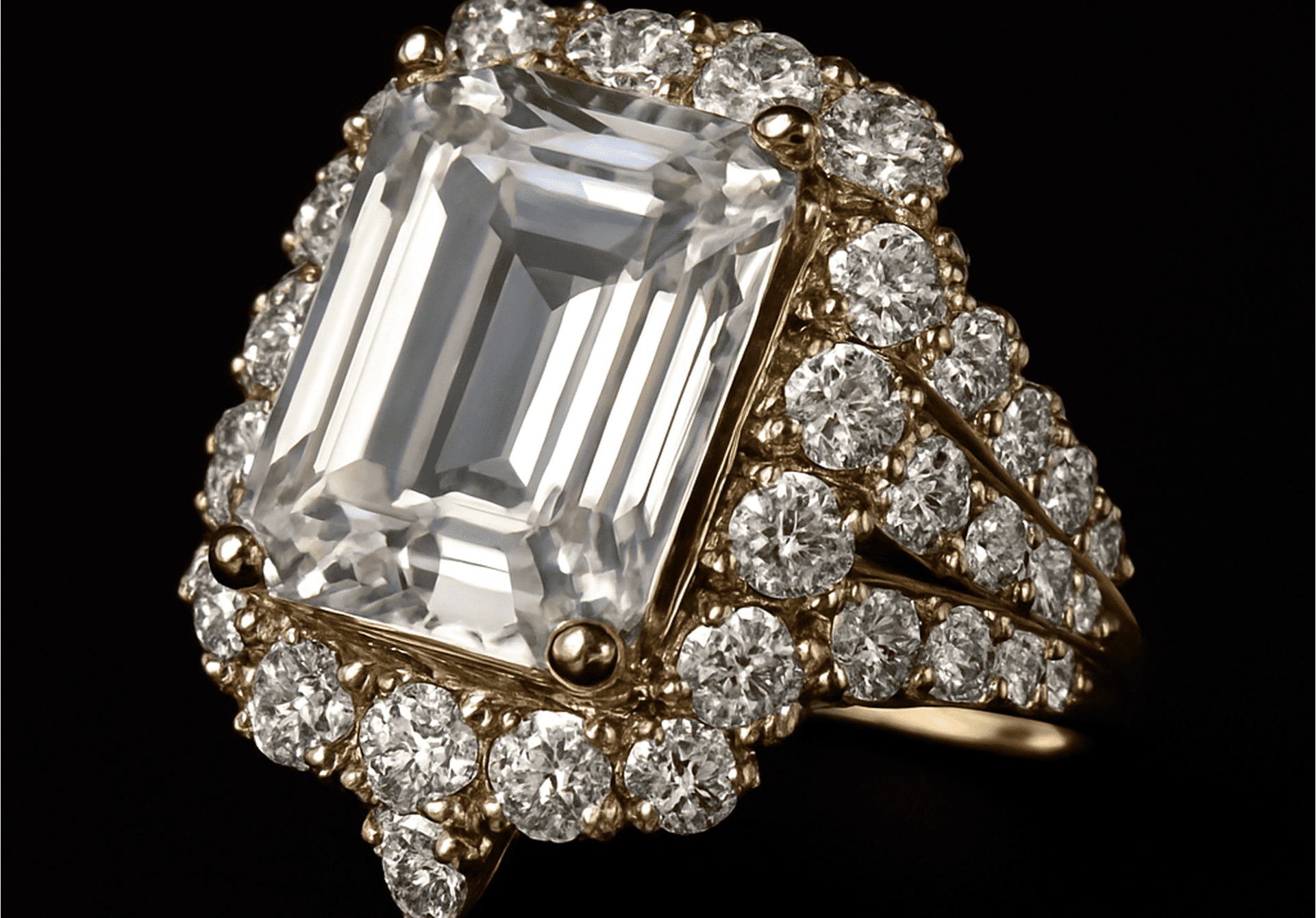
Bold, glamorous, and irresistibly expressive, the cocktail ring remains one of the most iconic jewels in modern history. Designed to draw the eye toward a single, spectacular gemstone, it embodies confidence and individuality — a statement of style that has never lost its allure.
Its origins trace back to one of the most fascinating eras in American history: the Prohibition years of the 1920s.
The Roaring Twenties: Rebellion and Refinement
During Prohibition, when the sale of alcohol was banned across the United States, private parties flourished in hidden salons and jazz-filled speakeasies.
It was here that the cocktail ring made its dazzling debut.
Women attending these clandestine gatherings began wearing large, vibrant rings set with boldly colored gemstones — pieces as extravagant as the cocktails they discreetly held. When raising a glass to order a drink, a flash of color and light would catch the eye, transforming the ring into a quiet act of rebellion and seduction.
The name “cocktail ring” was born from this ritual — a jewel that turned every gesture into a statement.
A New Woman, A New Era
The 1920s marked a revolution in femininity. Women gained the right to vote, worked outside the home, and began to live — and dress — with newfound freedom.
They cut their hair, shortened their skirts, danced to jazz, and defied conventions.
Known as flappers, these women embodied a daring spirit of independence. The cocktail ring, with its lavish proportions and brilliant stones, became their emblem — a declaration of self-expression and strength, worn proudly on the right hand as a symbol of autonomy.
From Prohibition to Glamour
When the ban on alcohol was lifted in 1933, society exhaled — and the cocktail ring’s fame only grew.
By the 1950s and 1960s, it became a fixture of Hollywood elegance and high society style — a piece worn not just at soirées, but at every occasion where glamour met confidence.
Through the decades, it has reappeared again and again — in the 1980s, with its exuberant fashion and bold silhouettes, and today, as a timeless expression of personality and poise.
How to Wear It
True to its origins, the cocktail ring should always command attention.
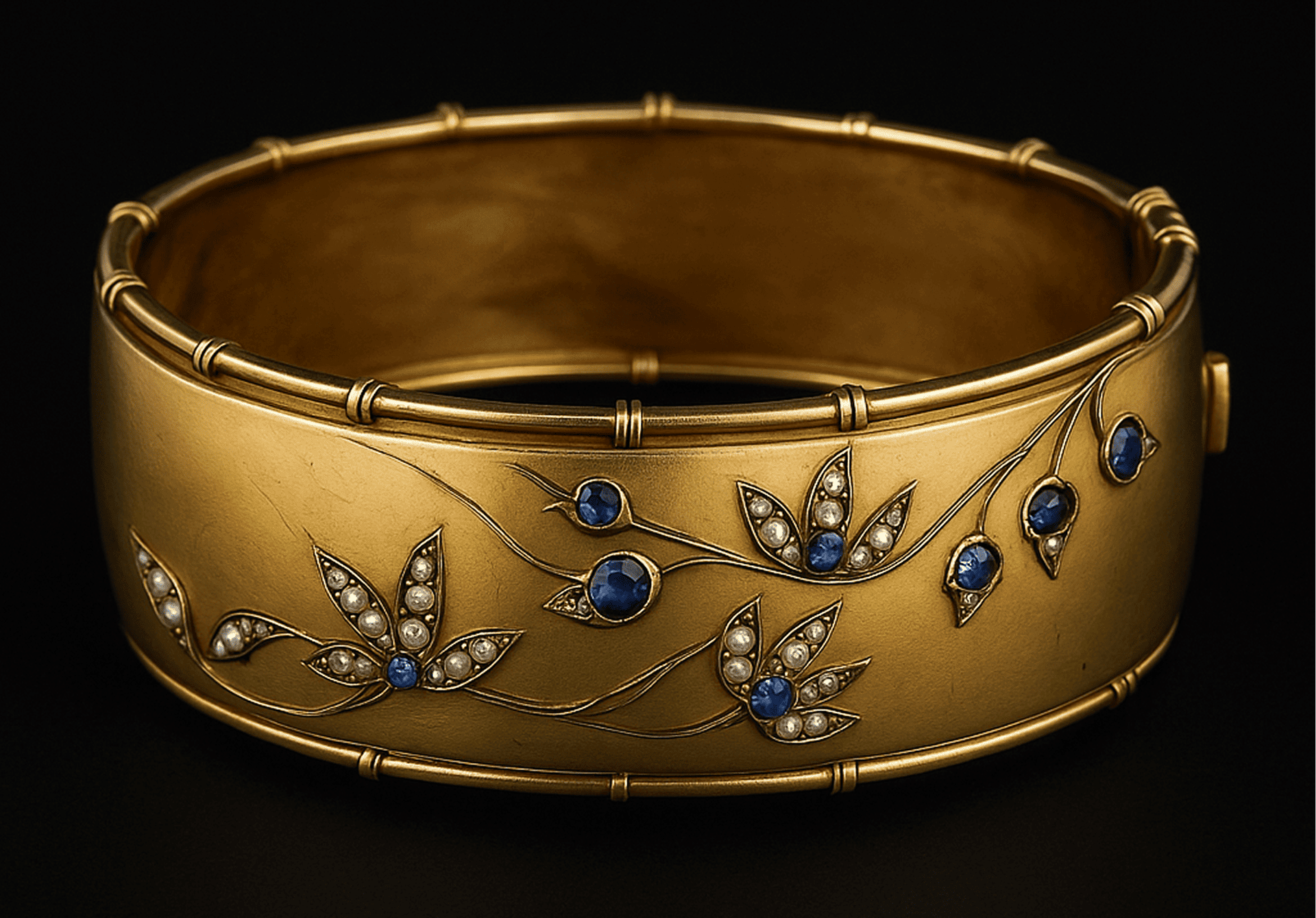
It is typically worn alone on the right hand, allowing its proportions and color to shine without distraction. Other jewels should remain understated — think a sleek bangle or a delicate pair of earrings.
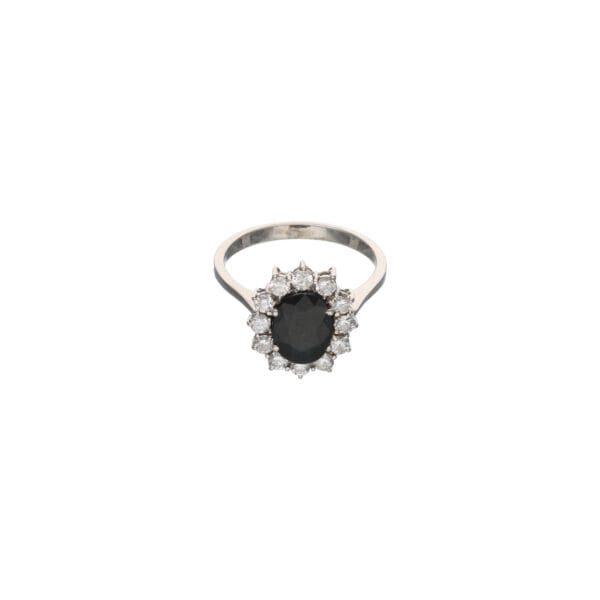
The focus lies on the center stone — a gem of striking color and generous size, usually set in an intricate, elevated mount. Both precious and semi-precious stones are used: rubellite, tourmaline, mandarin garnet, blue topaz, and beryl are among the favorites.
Its bold design makes it equally suited for formal soirées or refined daytime wear, offering a touch of vintage charm to modern elegance.
A Jewel that Never Fades
More than a ring, it is a piece of history — a reminder of the women who dared to raise their glasses, their voices, and their style.
Whether inherited, discovered, or chosen anew, the cocktail ring continues to symbolize confidence, sophistication, and the art of standing out beautifully.