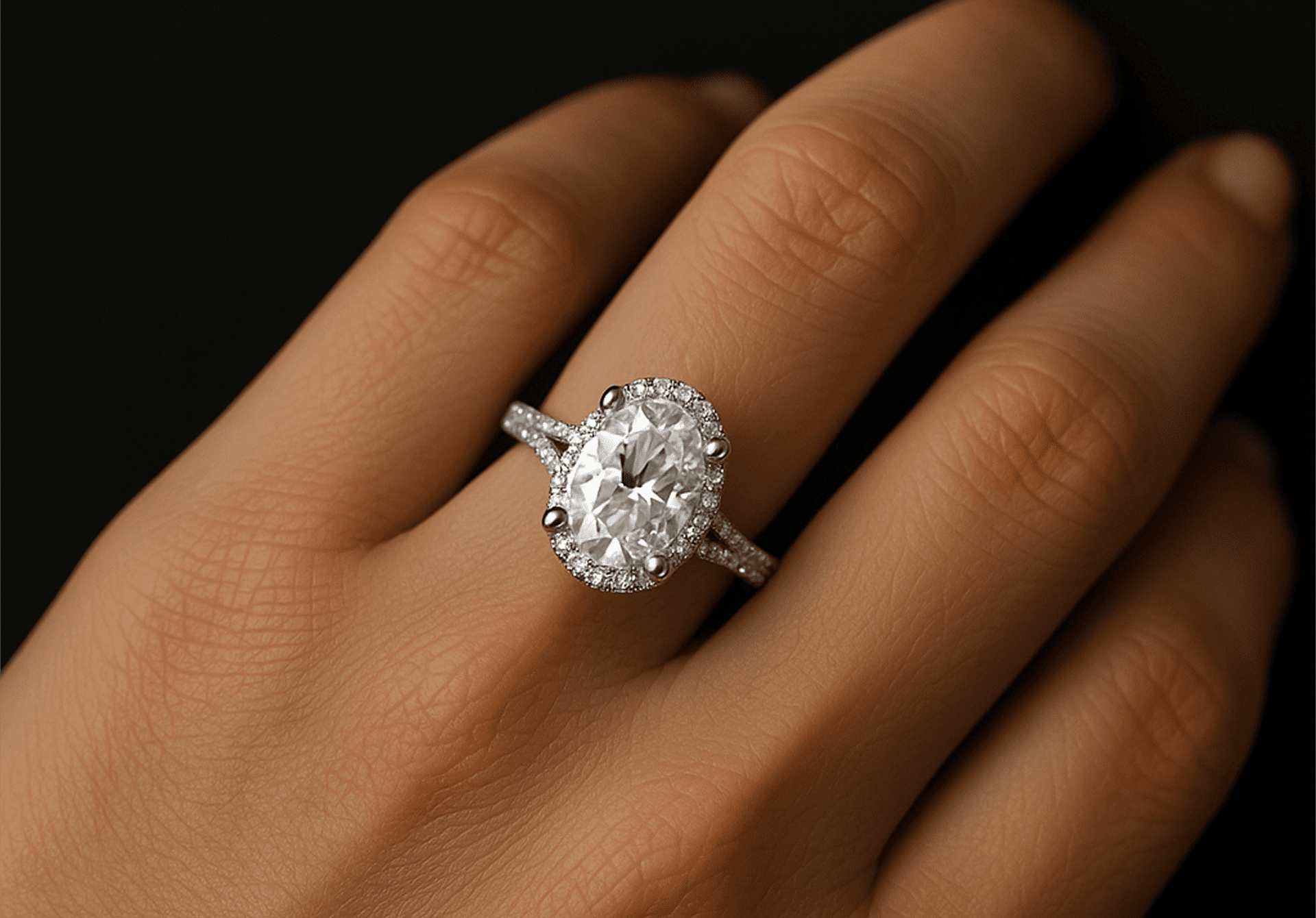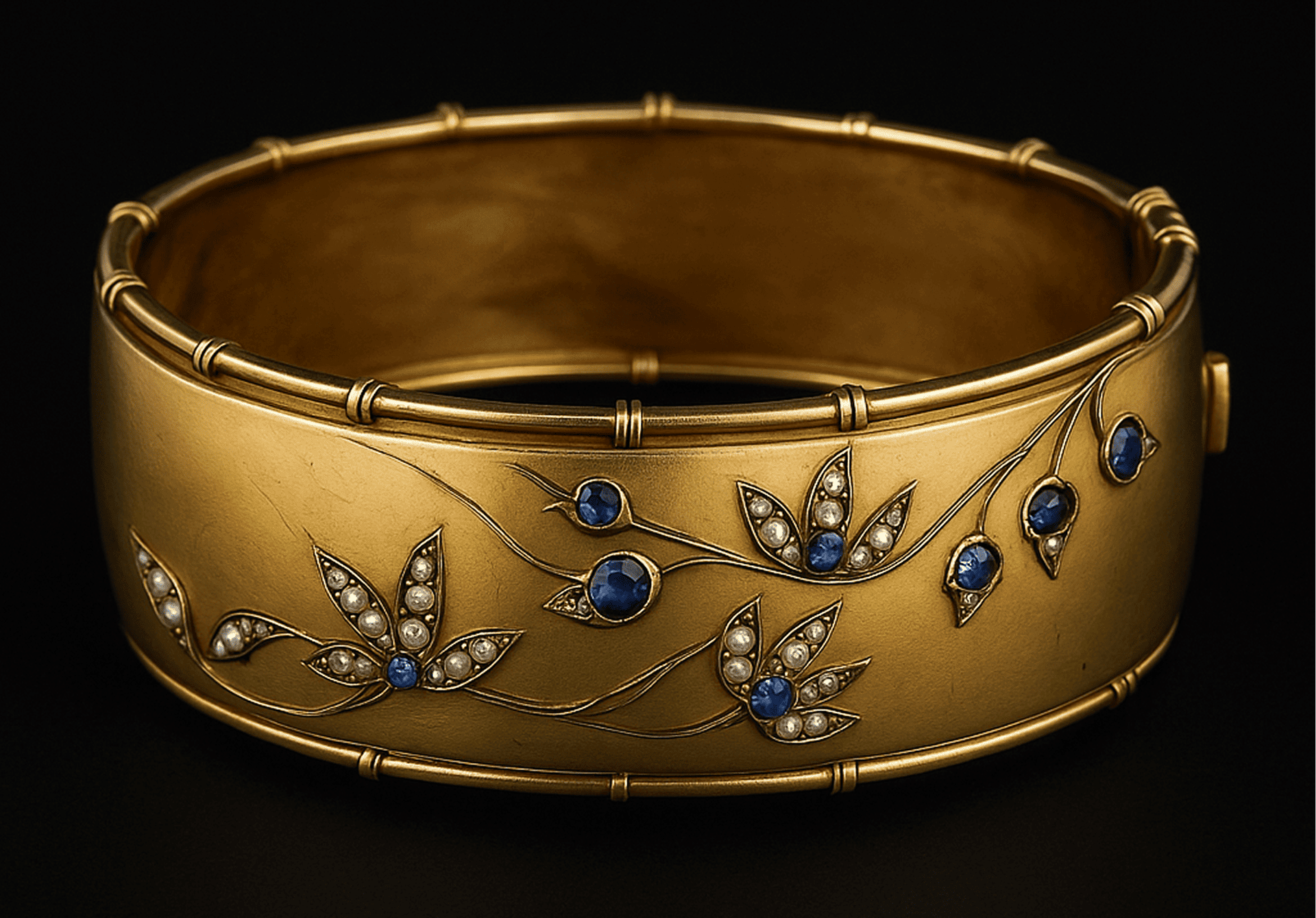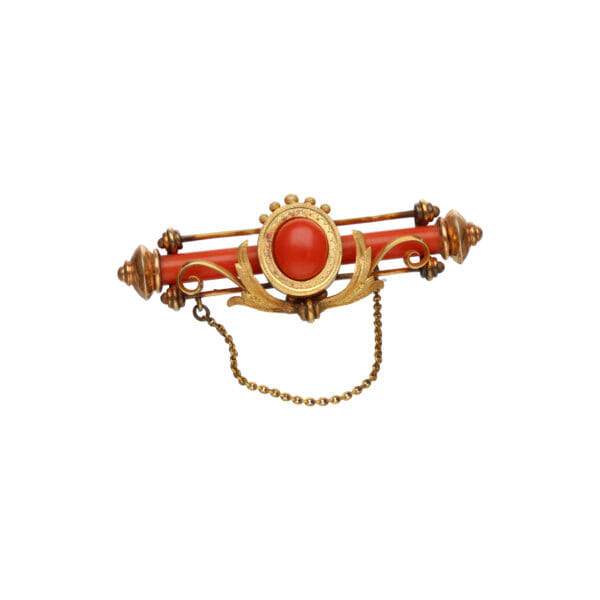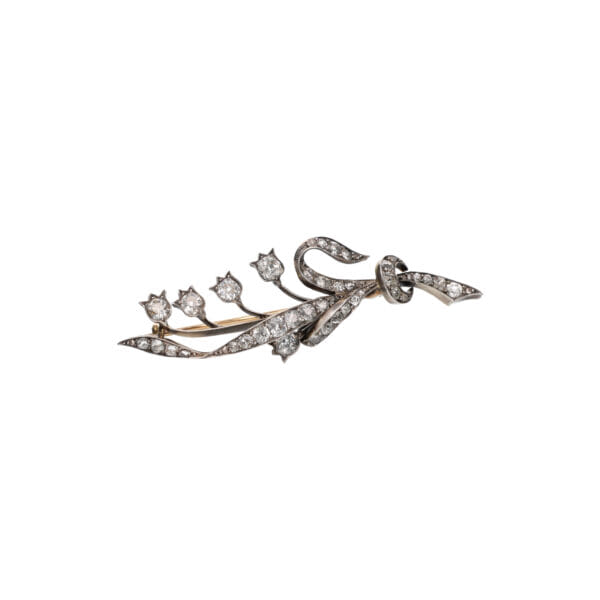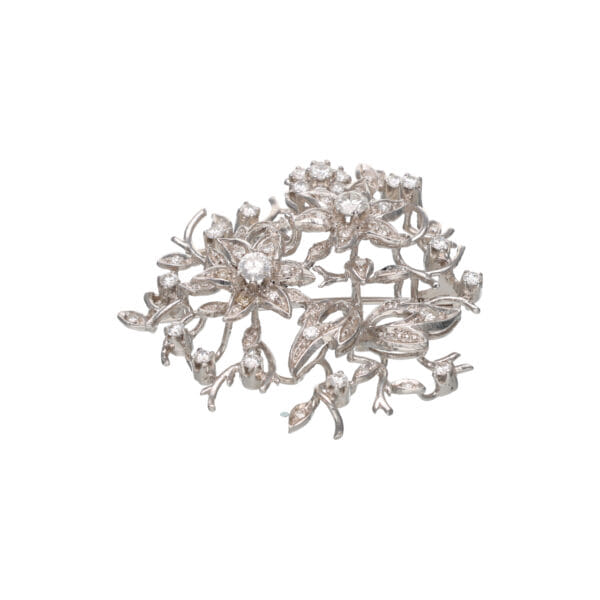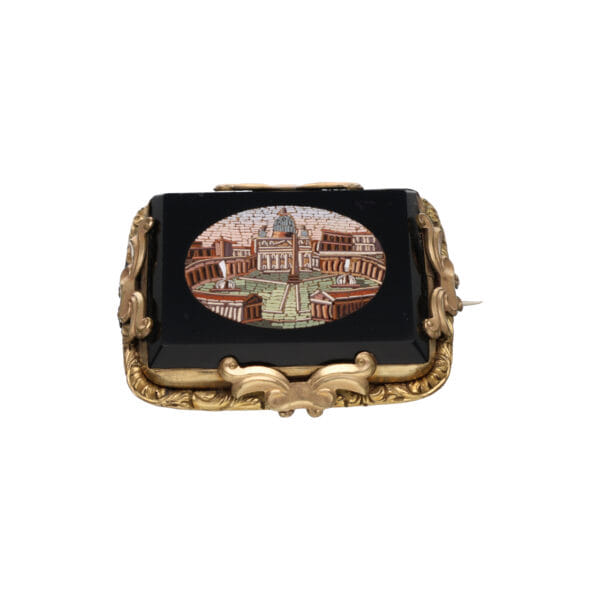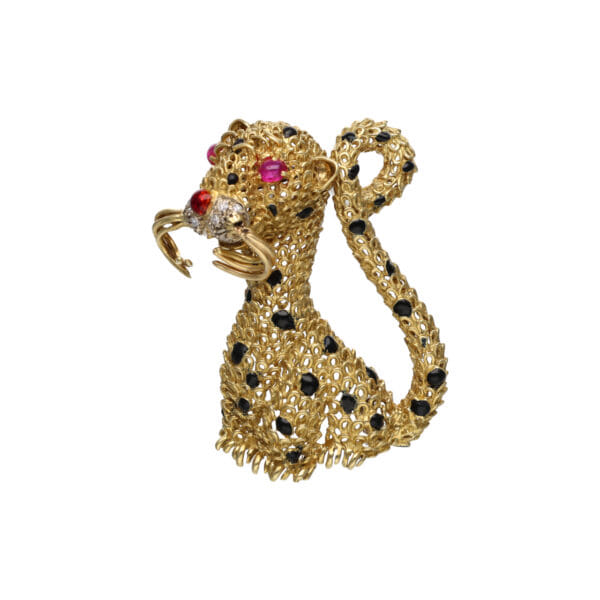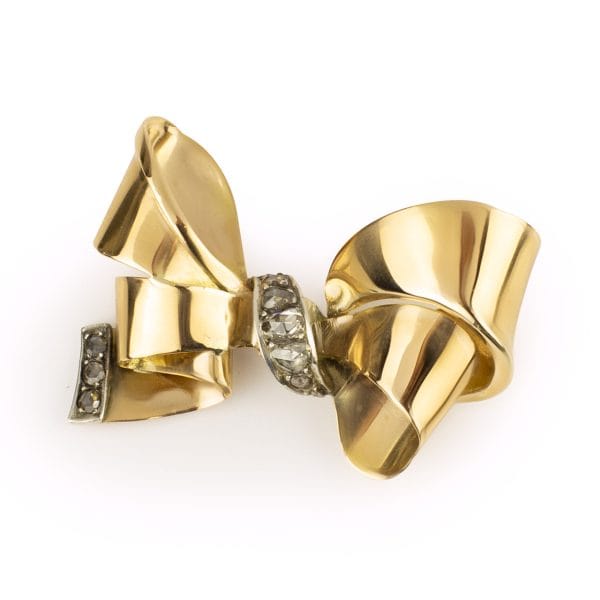
An era where sentiment met craftsmanship — and every jewel told a story.
A Glimpse into the Victorian Era
The term Victorian jewellery refers to the creations born in England during the reign of Queen Victoria, from 1837 to 1901 — a period of peace, prosperity, and extraordinary artistic growth.
The Queen herself was a passionate collector and wearer of jewels. She viewed them not only as adornments, but as emotional tokens — gifts of love, remembrance, and celebration. Her personal taste profoundly influenced the jewellery of her time, shaping nearly every trend of the century.
Victorian jewellery is often divided into two main periods: the Early Victorian (Romantic) and Late Victorian (Aesthetic) eras. The first, from 1837 to around 1860, reflected the poetic spirit of Romanticism — a celebration of nature, sentiment, and personal devotion. The latter, stretching to the end of the century, embraced greater simplicity and artistry, setting the stage for modern design.
Romanticism in Gold and Gemstones
In its earliest phase, Victorian jewellery was deeply inspired by emotion and nature.
Rings, lockets, and pendants often carried secret meanings — miniature portraits, inscriptions, or even locks of hair from a loved one. Queen Victoria herself owned a locket containing a strand of Prince Albert’s hair, symbolizing their enduring bond.
The motifs of the time spoke their own language:
- Snakes, representing wisdom and eternal love.
- Ivy leaves, symbolizing fidelity and friendship.
- Joined hands, a sign of loyalty and affection.
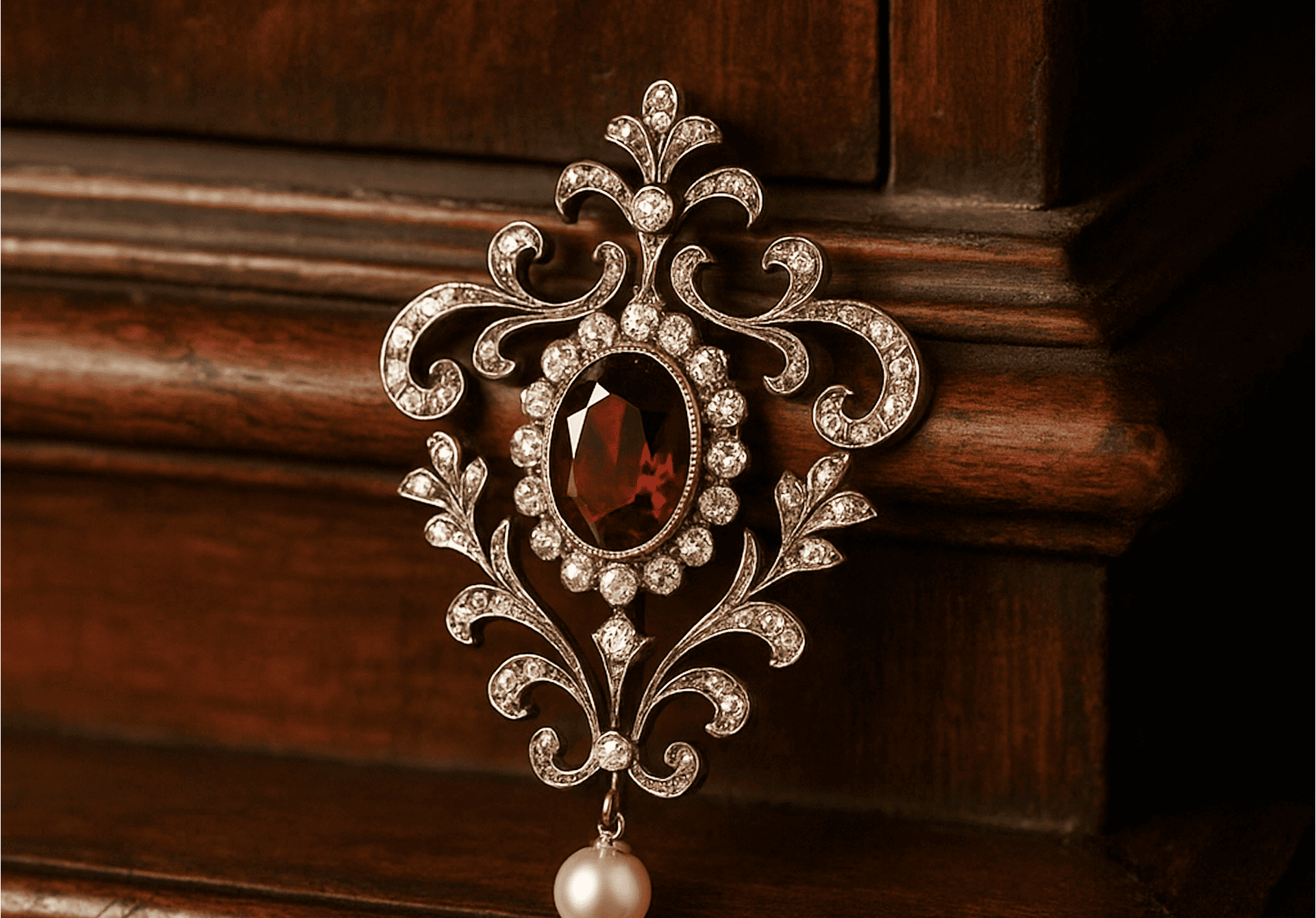
- Pearls, evoking tears, purity, or remembrance.
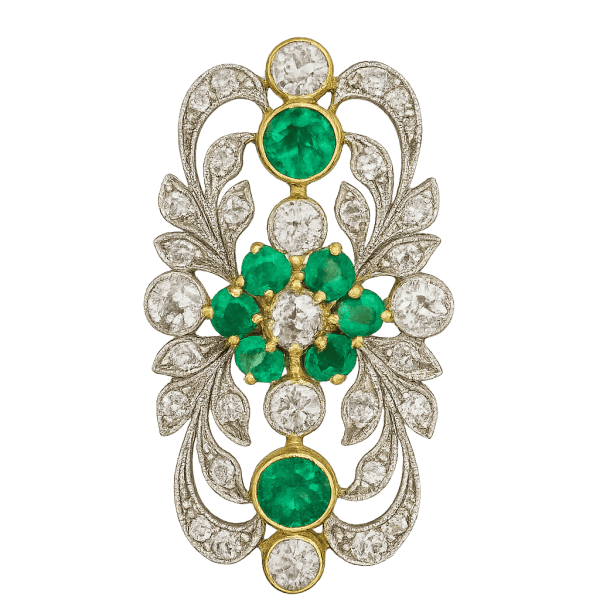
- Emeralds, standing for hope and renewal.
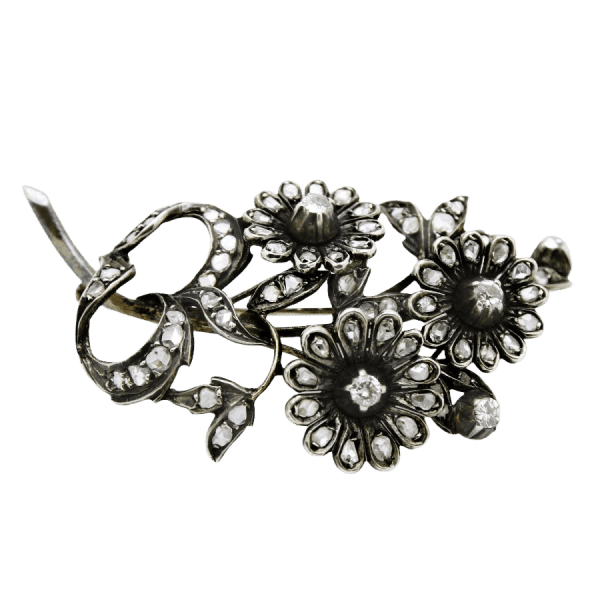
The materials were equally expressive. Gold was warm and often rose-tinted, rich in carats; coral, garnet, turquoise, and seed pearls adorned lockets and brooches. Diamonds, though less refined than today, appeared in the so-called old mine cut, later replaced by the modern brilliant cut.
Innovation and Accessibility
One of the most important innovations of the era was electroplating, invented by Italian chemist Luigi Valentino Brugnatelli. This technique allowed jewellers to coat base metals with gold, making beautiful pieces accessible beyond the aristocracy.
For the first time, jewellery was not reserved for the nobility and clergy; the growing bourgeoisie could now adorn themselves with jewels that expressed personal sentiment and social aspiration.
The Language of Style
Fashion dictated the form of jewellery. In the early years, necklaces were few — short and often accompanied by lockets engraved with poetry or initials. Cameos were immensely popular, while brooches and pendants with symbolic engravings flourished.
As women began wearing hairstyles that revealed the ears, earrings became longer and more ornate. Bracelets, too, grew larger and more sculptural, often crafted in rolled gold with hinged clasps and elaborate repoussé decoration.
The Mourning Jewels
No exploration of Victorian jewellery would be complete without the fascinating — and somewhat macabre — world of mourning jewels.
Though their origins predate Victoria’s reign, they became a true fashion phenomenon after the death of Prince Albert in 1861. The Queen’s public mourning set a tone of solemn elegance that spread across Europe.
These jewels, often crafted from jet (a dense black variety of lignite once known as “black amber”), incorporated symbolic motifs such as willows, urns, and weeping cypresses. Some pieces contained miniatures, locks of hair, or teeth, transforming grief into an art form of remembrance and devotion.
Symbols of Faith and Sentiment
Religion and spirituality deeply permeated the Victorian imagination. Crosses, hands, hearts, and knots were frequent motifs, blending sacred symbolism with personal meaning.
Cross pendants were worn on delicate velvet ribbons or layered chains, while clasped hands represented unity — both in love and in mourning. Knots, too, embodied eternity and the unbreakable bonds of affection.
The “Eye” Jewels
One of the most intriguing and haunting expressions of the era is the so-called “lover’s eye” jewel — miniature portraits depicting a single eye, often of a departed or beloved person. Painted in delicate watercolor on ivory, these jewels were meant to convey eternal devotion: “My eyes always seek yours.”
Far from morbid, they were intimate tokens of connection — small masterpieces of sentiment and secrecy, of which only a thousand or so are thought to remain today.
The Enduring Legacy
Victorian jewellery captures an age where every gemstone and engraving carried emotion — where art, symbolism, and human feeling intertwined.
To wear a Victorian jewel today is to hold a fragment of that world: a whisper of love, loss, and beauty that has crossed more than a century to reach us still shining.