A stone of rebirth, harmony, and divine allure.
A Gem of Life and LightAmong the most captivating of all gemstones, the emerald has long been a symbol of strength, renewal, and cosmic harmony. Its vibrant green hue — the color of spring, nature, and eternal vitality — evokes life itself.Associated since antiquity with Venus, goddess of love and beauty, the emerald was believed to be a talisman of affection, fortune, and health — a conduit for all that nurtures and sustains the soul.
History and Myth
The story of the emerald begins in Ancient Egypt, where mines in the south-eastern deserts were already active around 3500 B.C.. Cleopatra, the last queen of Egypt and one of history’s most iconic figures, revered the emerald as her personal stone. She adorned herself with its vivid glow and gifted engraved emeralds to her dignitaries as symbols of favor and eternal devotion.
To the Egyptians, the emerald was more than a jewel — it was a national emblem, representing fertility, rebirth, and the perpetual cycle of life. Its verdant color recalled the lush renewal of nature after the long winter, making it a symbol of hope, serenity, and beauty without end.
Nature’s Masterpiece
The name emerald derives from the Greek smaragdos, meaning “green gem.” It is the most prized variety of beryl, cherished alongside diamonds, sapphires, and rubies as one of the four great precious stones.
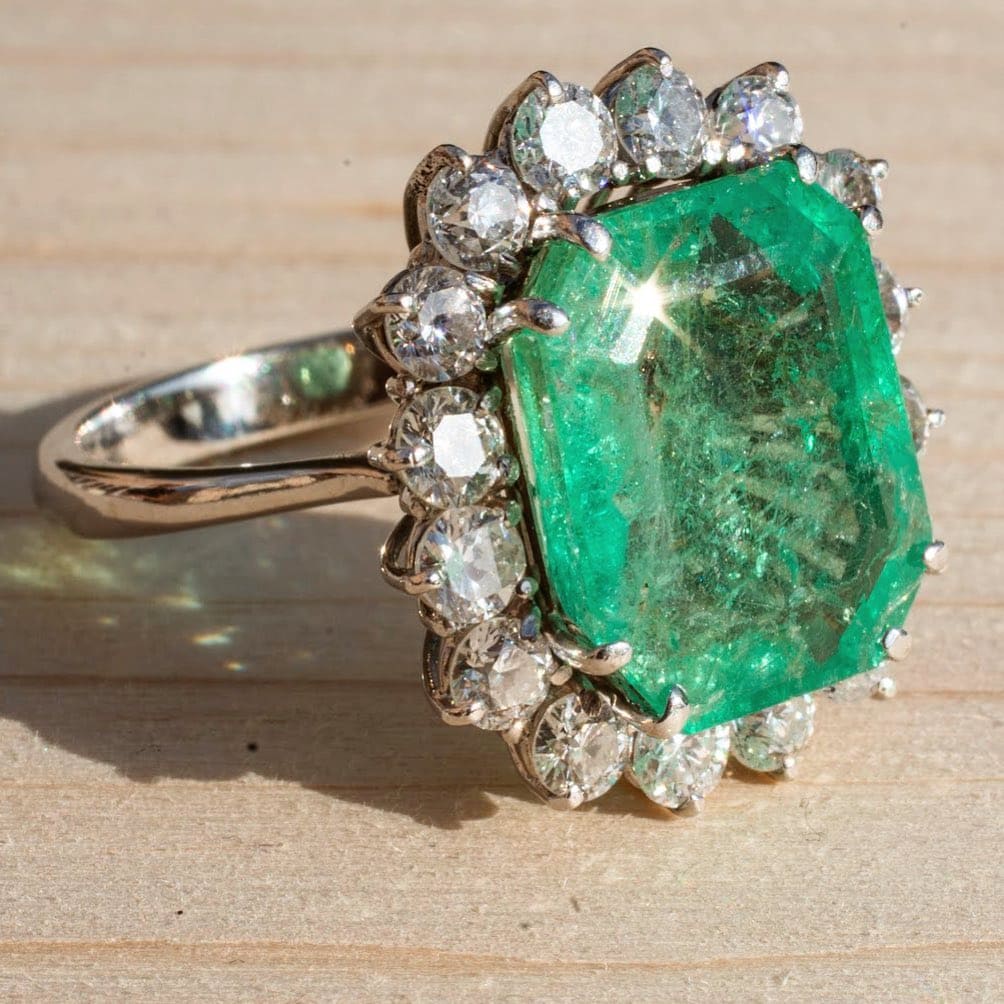
Its mesmerizing green shades — ranging from soft bluish tones to deep forest hues — are born from traces of chromium, vanadium, and iron within its crystalline heart. No two emeralds are ever alike; their unique internal landscapes, often marked by delicate inclusions known as jardin (French for “garden”), add to their natural beauty and authenticity.
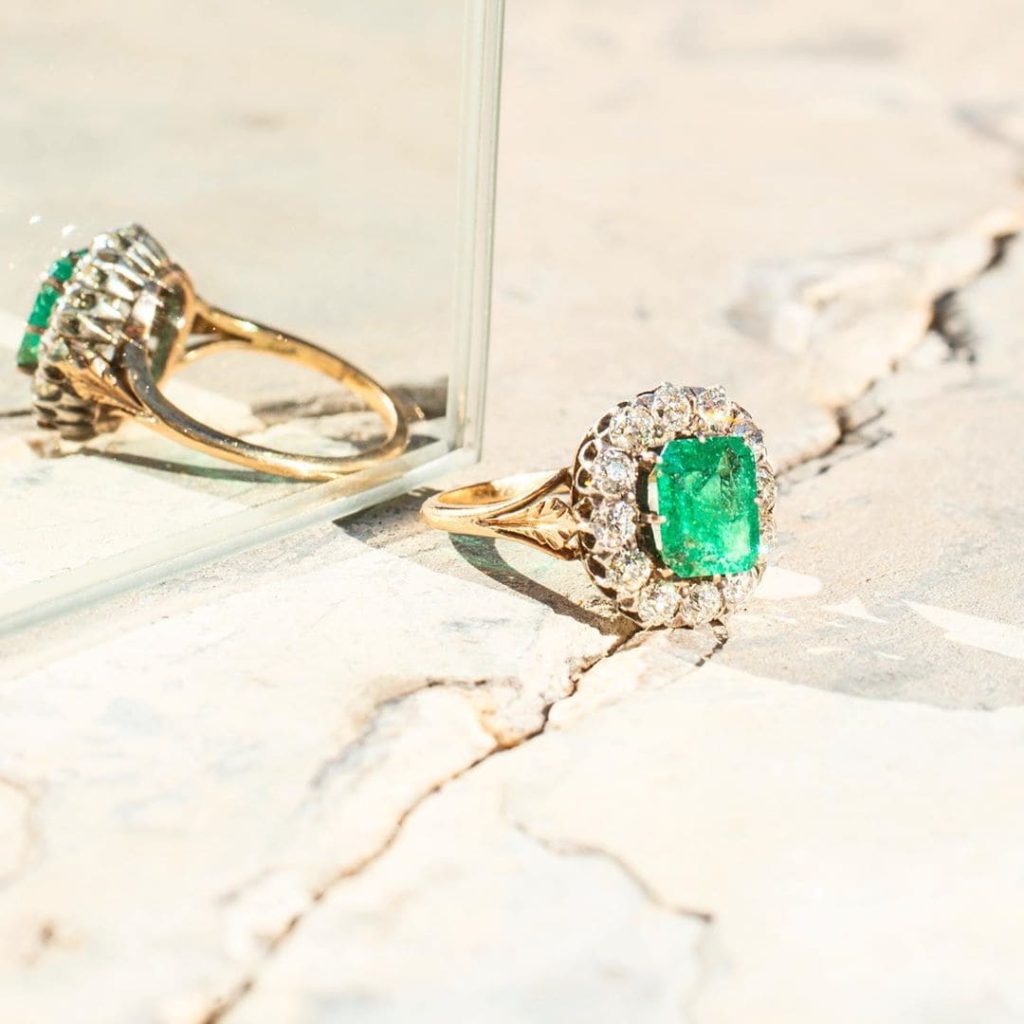
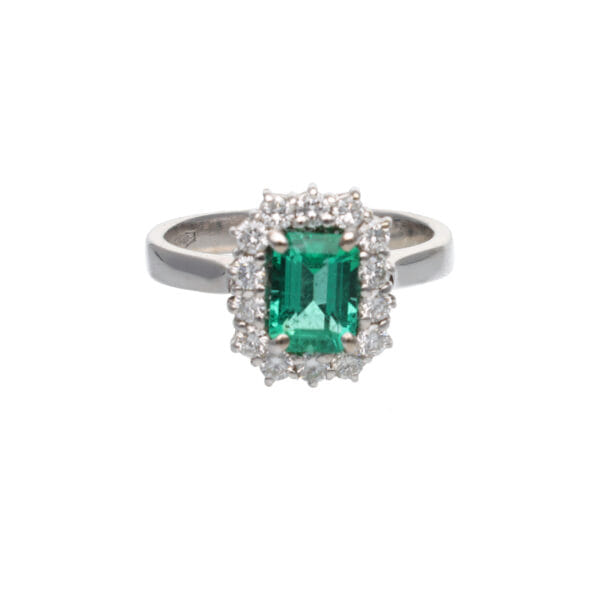
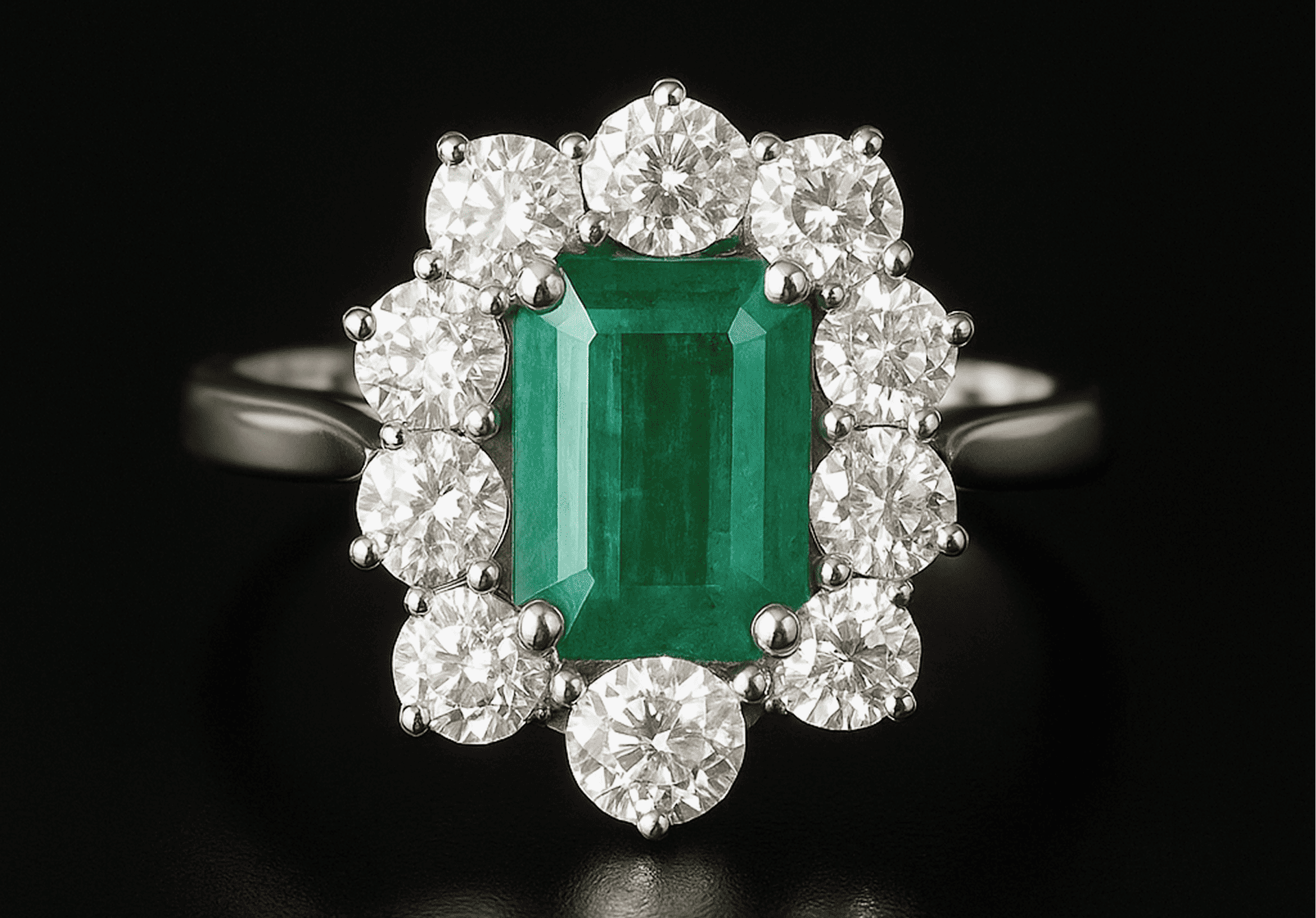
The classic emerald cut, with its clean rectangular facets and softened corners, was designed to reveal the gem’s brilliance while protecting its delicate structure.
An emerald’s value is defined by four essential elements:
- Size: Larger stones are rarer but may contain more inclusions, which affect clarity.
- Color: The most desirable emeralds display an intense, slightly bluish-green hue — vivid yet balanced.
- Transparency: A clear, luminous stone enhances depth and vitality.
- Purity: Perfectly pure emeralds are exceedingly rare; their inclusions are not flaws, but signatures of their natural origin.
A Stone of Meaning and Mystery
Across cultures, the emerald has been revered not only for its beauty but also for its spiritual resonance.
In naturopathy, it is connected to the heart chakra, said to restore emotional balance and inner peace. Western traditions associate it with renewal and vitality — believed to relieve stress and strengthen the immune system.
In astrology, the emerald belongs to Venus, the planet of harmony, pleasure, and affection, enhancing one’s connection to love and to life itself.
For Buddhists, the emerald is one of the seven sacred treasures, symbolizing wisdom. In the Christian and Roman worlds, it was thought to heal the eyes — as Pliny the Elder wrote, “Nothing greens the sight as the emerald does; it restores and refreshes the gaze.”
A Legacy of Enchantment
From Cleopatra’s royal adornments to the sparkling imagination of Frank L. Baum’s Emerald City, this gem has inspired art, poetry, and dreams for millennia.
Its light — both earthly and celestial — continues to enchant those who wear it, connecting them to an ancient lineage of beauty, vitality, and eternal love.