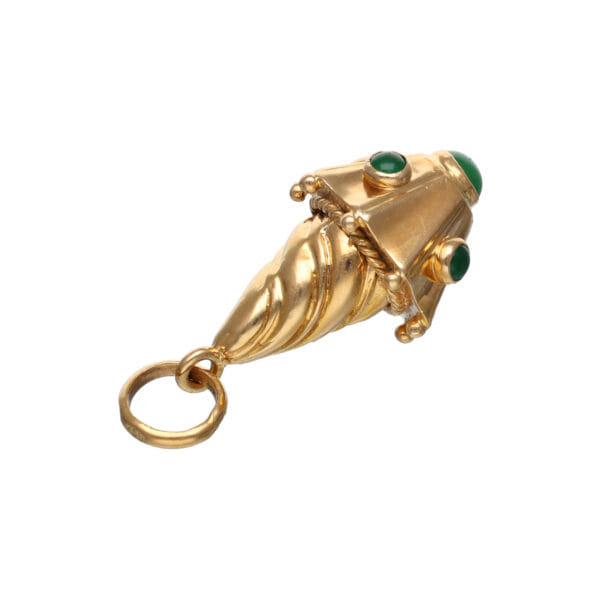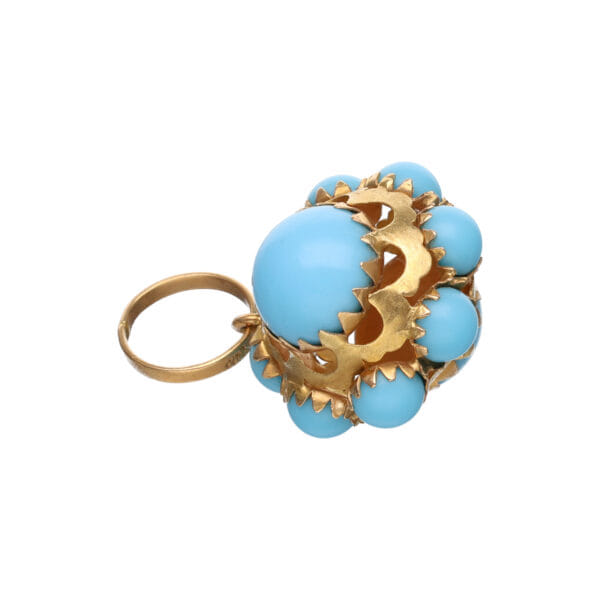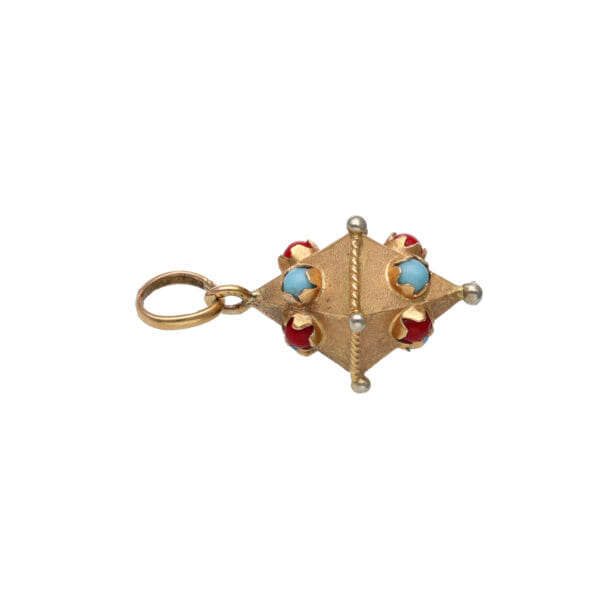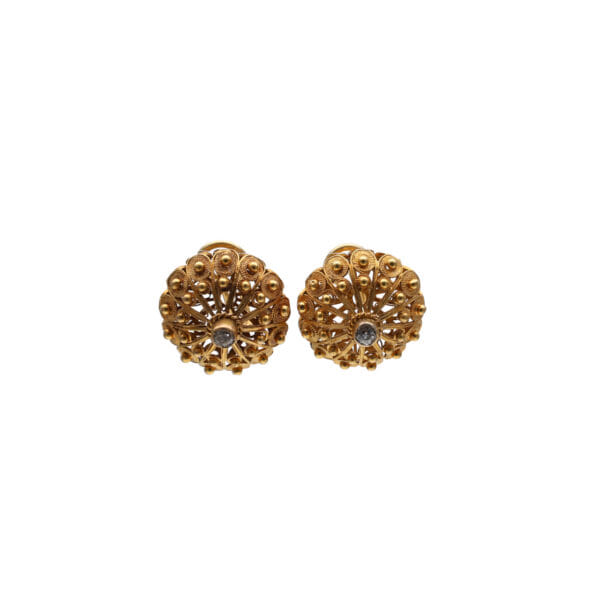
From talismans of love to icons of style, charms have never ceased to fascinate.
A Jewel that Tells a Story
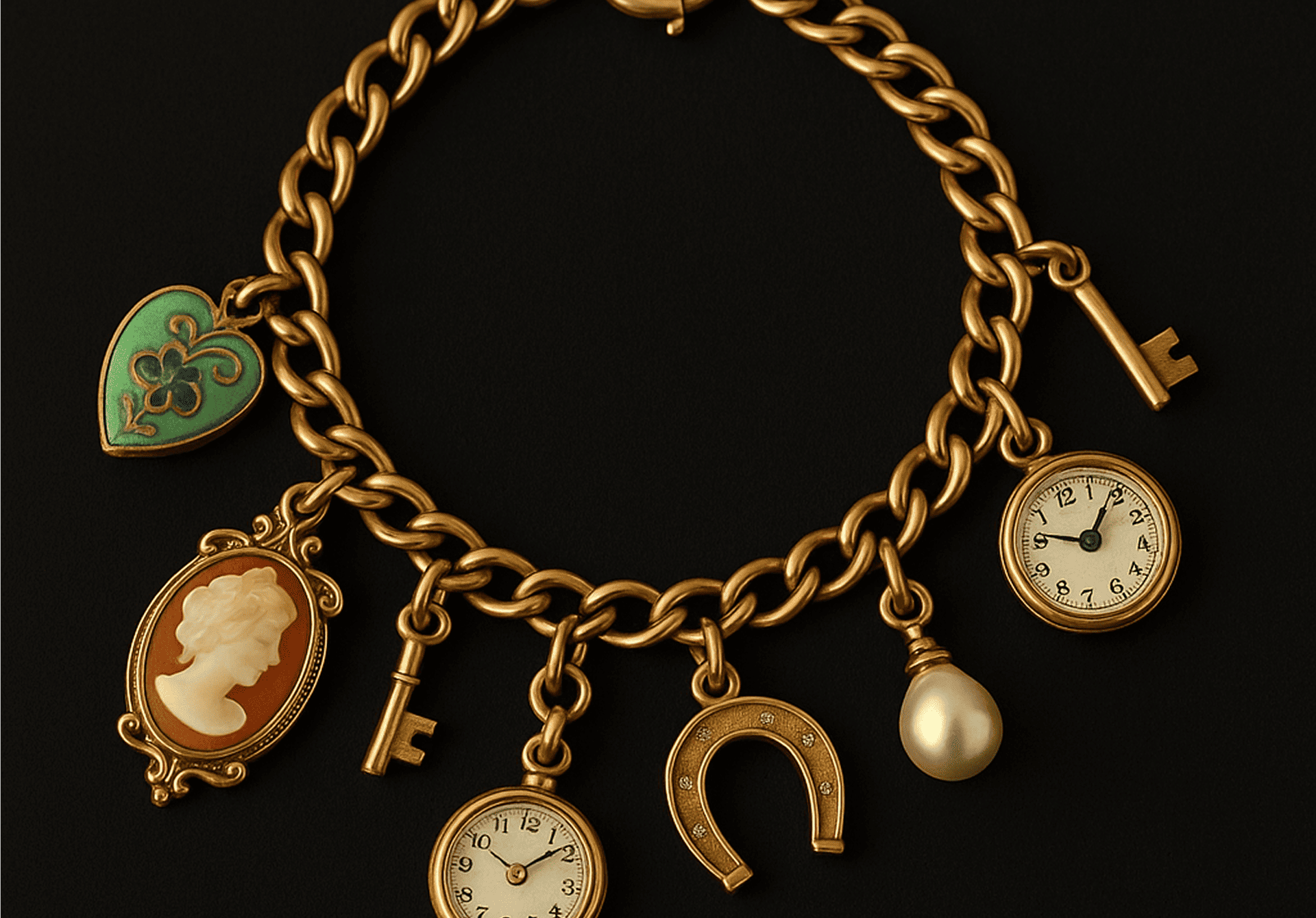
The charm bracelet — or necklace — has always been more than an ornament. It is a diary in gold, a collection of memories and symbols that accompany its wearer through life.
In the past, these jewels were not purchased complete but built over time. Each charm marked a moment: a love, a journey, a birth, a memory. No two were ever alike, because no two lives are.
The word charm itself carries a kind of magic — it means spell, amulet, or talisman, alluding to its ancient role as a bearer of luck and protection.
From Amulet to Adornment
Charms have been worn since antiquity, but it was in the Renaissance that they began to appear as personal treasures. Legend tells that Catherine de’ Medici, Queen of France, wore a bracelet hung with charms believed to possess occult powers.
During the 18th and 19th centuries, women fastened chatelaines to their waists — decorative chains that held keys, scissors, or mirrors, often adorned with small pendants for beauty and luck. Men, too, wore charms on their watch chains, engraved with family crests or symbols of their profession.
The Victorian Obsession
Charms reached the height of their popularity during the reign of Queen Victoria, whose influence on jewellery was unmatched.
She adored these sentimental ornaments, wearing a bracelet given to her by Prince Albert featuring nine enameled hearts, each representing one of their children. Inside each heart was a lock of the child’s hair, engraved with their name and date of birth — a deeply personal symbol of love and motherhood.
After Prince Albert’s death, the Queen commissioned a mourning bracelet: sixteen black and gold enamel medallions inscribed with dates and miniature portraits, transforming grief into enduring art.
Through her, the charm bracelet became an emblem of emotion, spreading across Europe’s aristocracy as both fashion and keepsake.
Charms of War and Fortune
During the First World War, soldiers carried small charms for protection — like the famous Fums Up, a tiny wooden-headed figure whose uplifted thumbs were rubbed for luck before battle.
These talismans, though humble, carried enormous emotional power, linking the soldiers to home, hope, and love.
Charms and Couture
The 20th century brought a new chapter. Icons of fashion rediscovered the charm bracelet’s expressive beauty and turned it into a statement of personal style.
Coco Chanel, ever superstitious, wore her signature charms daily — camellias, interlaced Cs, and the number five — symbols of luck and identity. Elsa Schiaparelli also embraced the idea, wearing a bracelet adorned with pendants said to echo her grandfather’s watch chain.
In more recent years, Marc Jacobs, during his time at Louis Vuitton, reinterpreted the tradition, designing a golden charm bracelet enriched with diamonds, onyx, and coral. Each charm reflected the maison’s symbols and the spirit of France — a joyful fusion of history, heritage, and modern luxury.
An Enduring Fascination
Today, the charm bracelet remains a timeless companion — playful yet profound, elegant yet intimate. Whether vintage or contemporary, each piece speaks of its wearer’s life, passions, and memories.
Charms, in their delicate dance of sound and sparkle, continue to do what they always have: tell stories, protect dreams, and celebrate the moments that make us who we are.