Jewels that redefined beauty amid the challenges of war.
A Decade of Transformation
The 1940s were a turbulent yet creative decade for jewellery design. Marked by the hardships of the Second World War, these years witnessed profound restrictions on materials and production — yet, remarkably, they also gave rise to a new decorative language defined by imagination, boldness, and ingenuity.
Despite rationing, scarcity, and uncertainty, jewellers across Europe found inventive ways to express elegance. It was an age where constraint inspired artistry — where the power of design triumphed over limitation.
Jewels Shaped by War
The war’s economic impact deeply influenced jewellery production. Gold was rationed in many countries, including Italy and France, and imports of precious gemstones from distant lands were largely suspended.
In response, artisans turned to synthetic rubies and sapphires, as well as semi-precious stones like aquamarine, amethyst, and topaz — gems whose soft luminosity perfectly suited the expressive lines of the time.
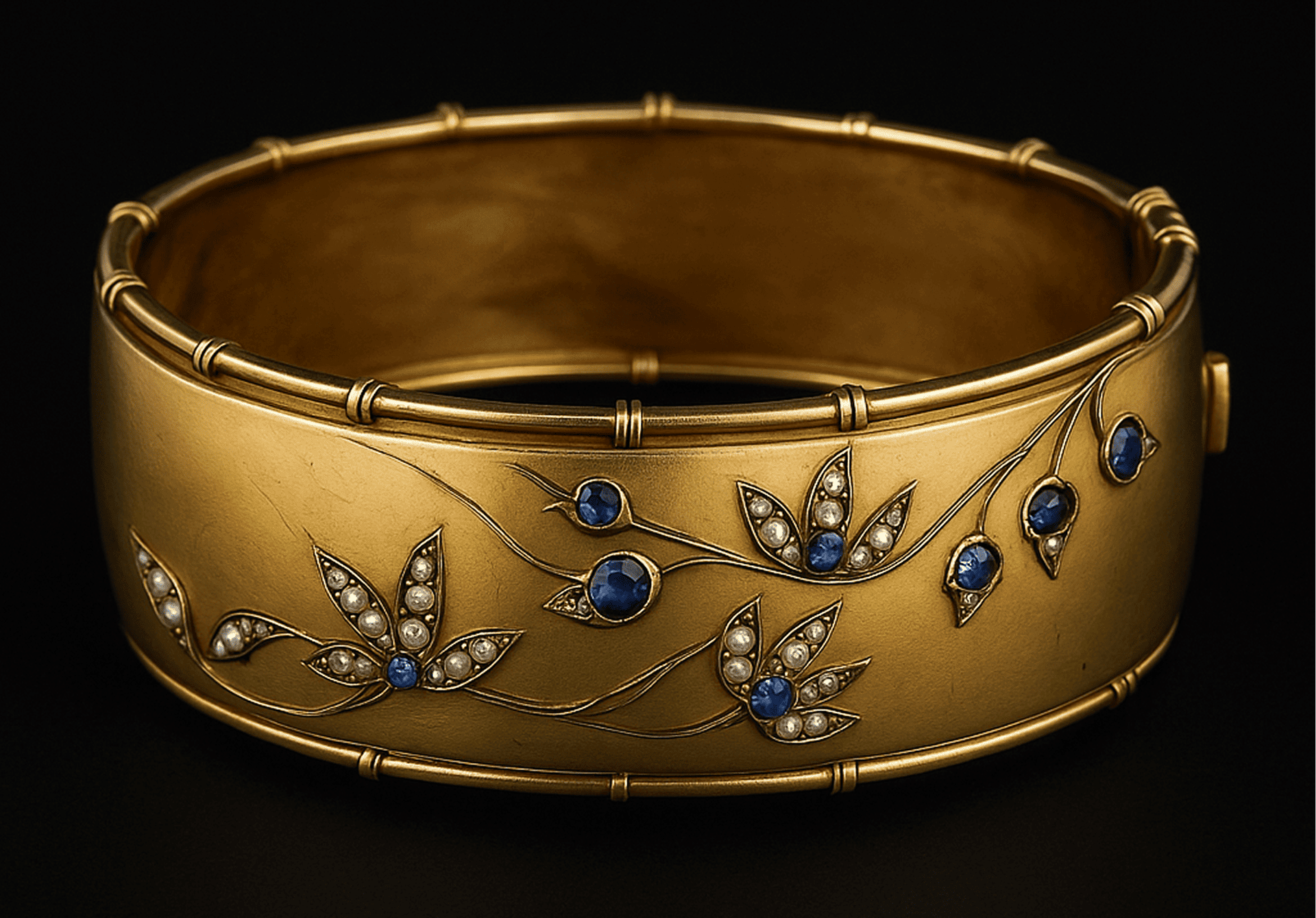
With platinum and white gold no longer widely available, yellow gold became the metal of choice, its warmth symbolizing optimism amid austerity.
A New Aesthetic: Strength and Femininity
The jewellery of the 1940s embraced volume, movement, and sculptural form. Gone were the strict geometries of Art Deco; in their place came curved lines, bold asymmetries, and exuberant proportions.
Jewels of this decade were dynamic and sensual — reflections of resilience and grace. Brooches, bracelets, and rings became three-dimensional works of art, their forms echoing both industrial power and feminine elegance.
The Iconic Designs of the Era
Fashion, too, played a decisive role. The square necklines and padded shoulders of wartime couture called for new types of adornment — and thus emerged one of the decade’s signature creations: the clip brooch.
These versatile ornaments, often made in matching pairs, were worn at the corners of a neckline or separated to adorn a jacket, bracelet, or hat. They embodied the ingenuity of the age — adaptable, expressive, and endlessly chic.
The bracelet also evolved: gone were the stacks of bangles popular in the 1930s. Instead, the wrist was adorned with a single, bold piece — the now-iconic “tank bracelet,” whose interlocking gold segments drew inspiration from the tracks of military vehicles.
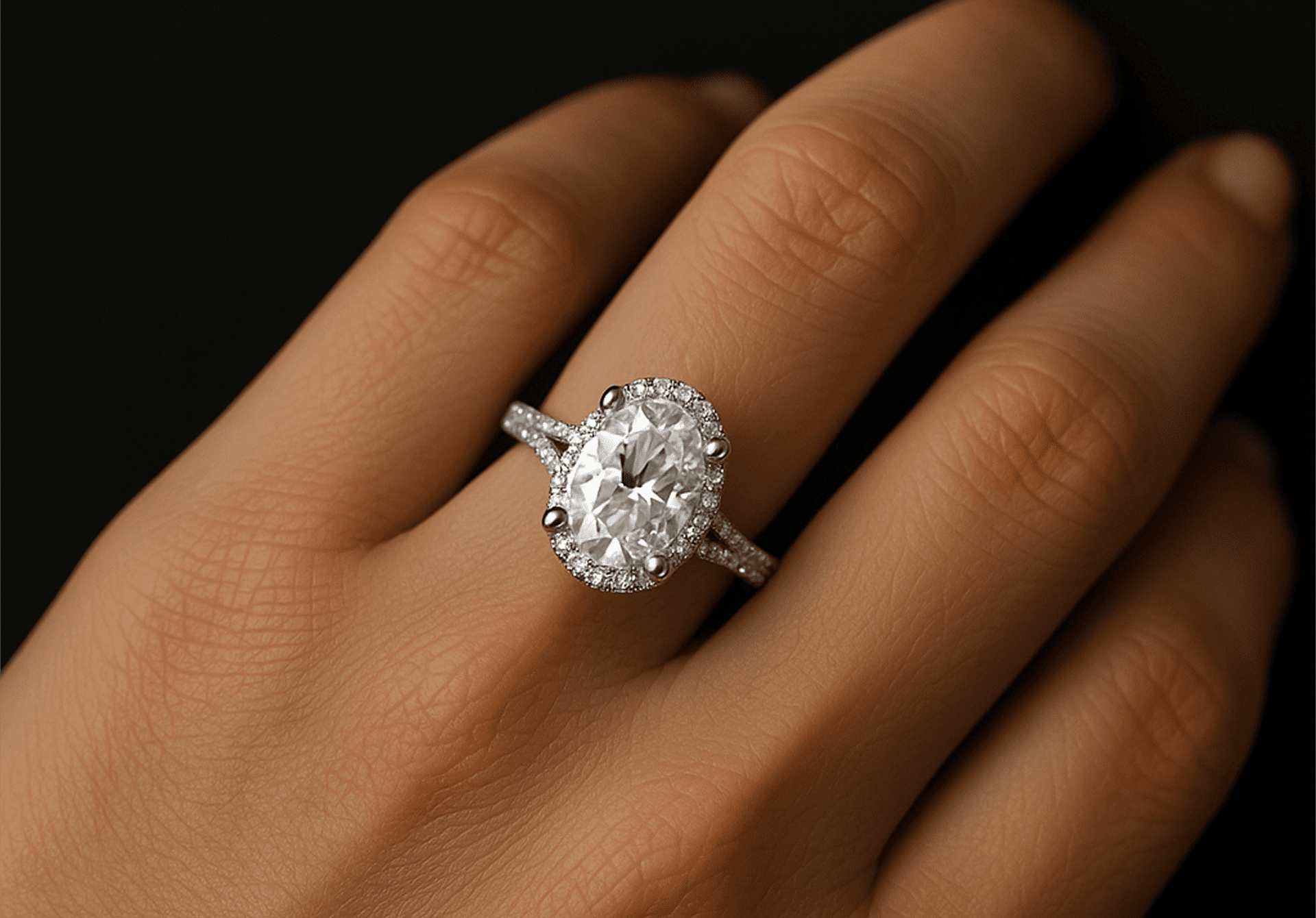
Rings grew larger and more sculptural, often set with colored stones or cabochons, while brooches took on voluminous, ribbon-like forms — bows, knots, and scrolls rendered in gleaming gold.
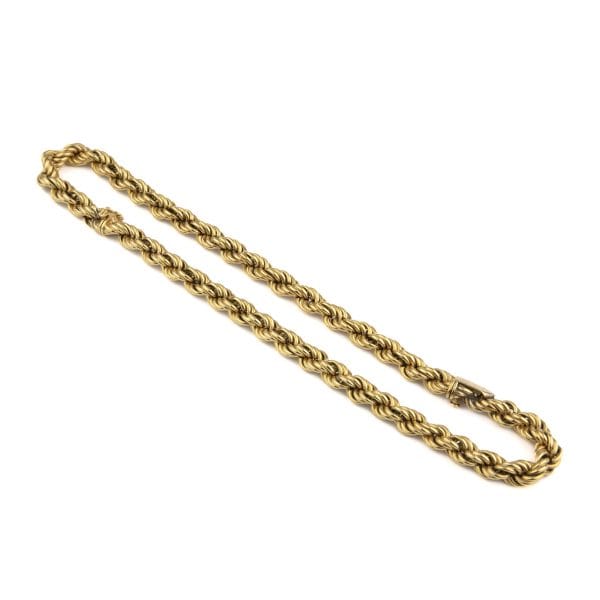
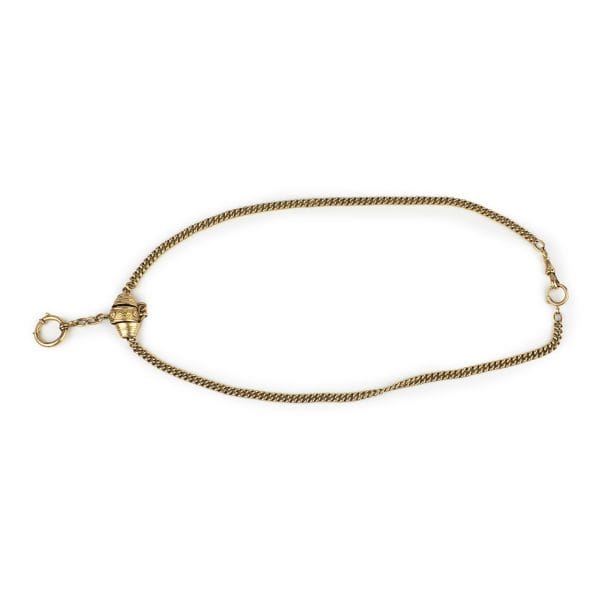
Necklaces were typically short, encircling the neck in elegant curves, earning names such as coda di topo (“mouse tail”), serpente (“snake”), and tubo del gas (“gas pipe”) — charming metaphors for their fluid, sinuous shapes.
Even watches became statements of glamour, their dials framed by gemstones and powerful gold bracelets.
The Great Maisons of the 1940s
Despite wartime hardships, the great jewellery houses — Cartier, Boucheron, Van Cleef & Arpels, Bulgari, and others — continued to create extraordinary pieces that balanced strength with grace. Their designs from this period reflect the spirit of resilience that defined the decade: jewels as symbols of endurance, hope, and radiance.